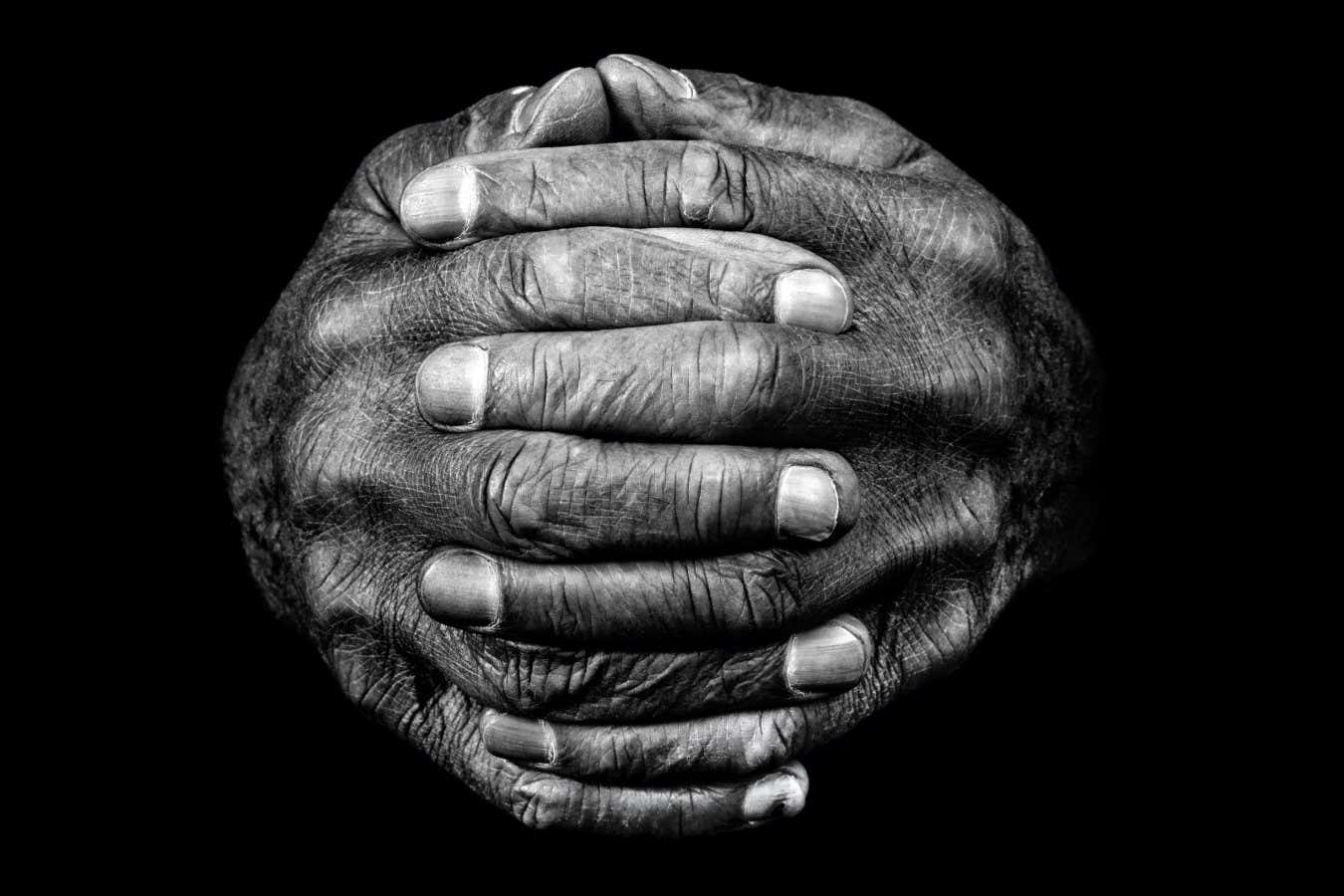
The human hand is nothing short of a biological marvel, a complex symphony of bones, muscles, nerves, and connective tissues working in perfect harmony. More than just a tool for grasping, it is an extension of our thoughts and intentions, enabling us to interact with the world with unmatched precision and power. From the delicate touch of a fingertip to the forceful grip required for heavy lifting, the hand adapts to an astonishing array of tasks, fundamentally shaping our daily lives, our culture, and even our evolution. At the heart of this remarkable versatility lies a singular feature: the extraordinary capability of thumb opposition.
This unique anatomical arrangement allows the thumb to meet and interact with each of the other four fingers, transforming the hand from a simple paddle into a highly sophisticated manipulator. This article delves into the intricate design of the hand, exploring how its anatomical components work together to facilitate this crucial function, and highlighting its profound significance in human existence.
The Unparalleled Anatomy of the Human Hand
To truly appreciate the functionality of the hand, one must first understand its intricate anatomical blueprint. Far from being a simple appendage, the hand is a sophisticated piece of biological engineering, meticulously designed for both strength and sensitivity. Its structure supports a breathtaking range of motion and an exceptional capacity for fine motor control.
A Skeletal Masterpiece: Bones and Joints
The foundation of the hand's extraordinary flexibility and strength is its complex skeletal framework. Each hand boasts 27 bones, meaning our two hands combined account for a quarter of all the bones in the adult human body – a testament to its critical role. These bones are categorized into three main groups:
- Carpal Bones: Eight small, irregularly shaped bones form the wrist, known as the carpals. Arranged in two rows, these include the scaphoid, lunate, triquetrum, pisiform (proximal row) and the trapezium, trapezoid, capitate, and hamate (distal row). These bones articulate with each other and the forearm bones (radius and ulna) to provide the wrist's considerable mobility, acting as a crucial pivot for the hand.
- Metacarpal Bones: Extending from the carpals are the five metacarpal bones, forming the main body of the palm. These long bones provide the structural support for the fingers and thumb.
- Phalanges: These are the bones of the digits. Each finger has three phalanges (proximal, middle, and distal), while the thumb, our unique digit, has two (proximal and distal).
Adding to this complexity are small sesamoid bones, often found at critical joints like the metacarpophalangeal (MCP) joint of the thumb. These tiny bones are embedded within tendons, serving to enhance leverage, reduce friction, and provide additional stability during movement.
The mobility of the hand is further facilitated by a network of specialized joints. The carpometacarpal (CMC) joints connect the carpals to the metacarpals, while the metacarpophalangeal (MCP) joints link the metacarpals to the phalanges. The interphalangeal (IP) joints are found within the fingers and thumb. Among these, the thumb's CMC joint stands out. Its unique saddle-shaped articulation allows for a wide range of motion, including flexion, extension, abduction, adduction, and critically, circumduction and opposition. This distinct joint design is the anatomical lynchpin for the thumb's unparalleled capabilities.
Muscles: The Architects of Movement
Over 30 muscles orchestrate the intricate movements of the hand, divided into two primary categories that work in tandem to achieve both raw power and exquisite precision:
- Extrinsic Muscles: Originating in the forearm, these larger, more powerful muscles control the gross movements of the hand, such as strong flexion (making a fist) and extension (straightening the fingers). Their long tendons pass through the wrist, traversing structures like the carpal tunnel and extensor retinaculum, to attach to the bones of the hand and fingers. These muscles provide the brute force behind many of our hand actions.
- Intrinsic Muscles: Located entirely within the hand itself, these smaller, highly specialized muscles are responsible for the subtle, fine motor control that truly defines human dexterity. They enable precise adjustments of individual fingers and the thumb. Key intrinsic muscle groups include:
- Thenar Group: Located at the base of the thumb, these three muscles (abductor pollicis brevis, flexor pollicis brevis, and opponens pollicis) are directly responsible for the thumb's ability to move across the palm and oppose the fingers.
- Hypothenar Group: Found at the base of the little finger, these muscles allow for similar, though less extensive, movements of the pinky.
- Interossei and Lumbricals: These muscles lie between the metacarpals and within the palm, respectively, facilitating abduction (spreading apart), adduction (bringing together), and coordinated flexion-extension patterns of the fingers.
This complex interplay of extrinsic and intrinsic muscles, supported by stabilizing ligaments and protective tendon sheaths, creates a dynamic system capable of everything from crushing strength to gossamer-light touch. For a deeper exploration of these intricate structures, consider reading Unveiling Hand Anatomy: Bones, Muscles, and Nerves Explained.
The Sensory Superhighway: Nerves and Blood Vessels
Beyond its mechanical brilliance, the human hand is a remarkably sensitive organ, constantly feeding information to the brain. This sensory capability is thanks to a rich neurovascular supply:
- Nerves: The radial, median, and ulnar nerves provide both motor control, dictating muscle movements, and extensive sensory innervation. The palm alone contains an astonishing approximately 17,000 touch receptors, making it exquisitely sensitive to pressure, vibration, temperature, and texture. This allows us to "feel" the world, identifying objects by touch, detecting subtle changes, and even expressing emotions through physical contact.
- Blood Vessels: A dual arterial arch system (superficial and deep palmar arches), supplied by the radial and ulnar arteries, ensures a robust and continuous blood flow, delivering vital oxygen and nutrients to every part of the hand. This rich vascularity is essential for healing, maintaining tissue health, and supporting the high metabolic demands of such an active and complex structure.
This finely tuned sensory feedback loop is crucial for guiding our movements, allowing for real-time adjustments as we manipulate objects and interact with our environment.
Thumb Opposition: The Core of Human Dexterity
While many primates possess opposable thumbs, the human hand takes this feature to an unparalleled level of refinement. Thumb opposition is the unique ability of the thumb to rotate and flex, bringing its pad to directly meet the pads of any of the other four fingers or even parts of the palm. This is not merely about having a thumb that can move across the hand; it's about the precision with which it can articulate and apply force against another digit.
This biomechanical marvel is made possible by several factors:
- The Saddle-shaped CMC Joint: As mentioned, this unique joint provides the vast range of motion required for opposition and circumduction.
- Specialized Intrinsic Muscles: The thenar muscle group, particularly the Opponens Pollicis, is specifically designed to draw the thumb across the palm and rotate it, allowing its pad to face and effectively "oppose" the other fingers.
- Relative Length and Mobility: The human thumb is relatively long and independently mobile compared to those of other primates, enhancing its reach and versatility.
The evolutionary significance of thumb opposition cannot be overstated. It is the bedrock of our species' technological and cultural advancement. It allowed our ancestors to craft sophisticated tools, develop fine motor skills essential for intricate tasks, and ultimately, to build civilizations. Imagine trying to tie a shoelace, write a sentence, thread a needle, or even manipulate a smartphone without the ability to oppose your thumb to your fingers. It would be virtually impossible. This single anatomical feature elevates the human hand from a basic grasping tool to a precision instrument capable of an infinite range of actions.
Power and Precision: Grips That Shape Our World
The functional design of the hand, heavily reliant on thumb opposition, facilitates two fundamental types of grips that underpin almost every physical interaction we have with our environment: the power grip and the precision grip. Both are critical, but they serve distinct purposes and highlight different aspects of the hand's capabilities.
The Power Grip: Strength in Numbers
The power grip is employed when maximum force and stability are required to hold or move a large object. Think about gripping a hammer, climbing a rope, or lifting a heavy box. In a power grip, the fingers curl around the object, and the palm provides additional contact and friction. Crucially, the thumb is brought into firm opposition, pressing strongly against the object and the sides of the fingers. This thumb action locks the object securely into the palm, preventing it from slipping and maximizing the collective strength of all the hand muscles. Without effective thumb opposition, a power grip would lose much of its stability and force, becoming less secure and less efficient.
The Precision Grip: The Art of Fine Control
In stark contrast to the power grip, the precision grip is all about delicate manipulation and fine motor control. This grip is used for handling small objects that require accuracy rather than brute force. Classic examples include picking up a coin, threading a needle, using surgical instruments, or holding a pen to write. The most common precision grip involves the pads of the thumb and index finger meeting to form a pincer-like action. However, the thumb can also oppose the middle, ring, or even little finger, depending on the task. This precise, controlled interaction between the thumb and individual fingers allows for minute adjustments, enabling tasks that demand exceptional dexterity and sensory feedback. The ability of the thumb to accurately meet and apply gentle force against any fingertip is what truly defines the human capacity for intricate work.
To delve deeper into how these two fundamental grip types enable us to navigate our world, you might find Mastering Life: The Human Hand's Power & Precision Grips to be an insightful read.
Maintaining Your Hand's Remarkable Functionality
Given the hand's indispensable role in nearly every aspect of our lives, maintaining its health and functionality is paramount. Here are some practical tips to keep your hands at their best:
- Practice Ergonomics: If you perform repetitive tasks, especially at a computer, ensure your workstation is ergonomically sound. Proper keyboard, mouse, and chair positioning can prevent strain and injury to your wrists and hands.
- Regular Stretching: Incorporate simple hand and wrist stretches into your daily routine, especially if your work involves extensive manual activity. Gentle stretches can improve flexibility, circulation, and reduce stiffness.
- Strengthening Exercises: While the hand naturally gets a workout from daily tasks, targeted exercises (e.g., using a stress ball, resistance bands) can help strengthen intrinsic hand muscles, improving grip strength and dexterity.
- Protect Your Hands: Wear appropriate gloves for tasks that could lead to injury (e.g., gardening, DIY projects, heavy lifting, or exposure to chemicals).
- Listen to Your Body: Pay attention to any persistent pain, numbness, tingling, or weakness in your hands or wrists. Early intervention for conditions like carpal tunnel syndrome, arthritis, or tendonitis can prevent more serious issues.
- Stay Hydrated and Nourished: A healthy diet and adequate hydration support overall joint and tissue health, contributing to the longevity of your hand function.
Conclusion
The human hand, with its intricate network of bones, muscles, nerves, and vessels, is an undeniable testament to nature's engineering brilliance. Its remarkable dexterity, flexibility, and capacity for precise manipulation are driven by the singular ability of thumb opposition. This defining characteristic has not only enabled our species to master complex tools and technologies but also profoundly shaped our communication, our art, and our very interaction with the world. Understanding and appreciating the hand's incredible complexity and its unique capabilities can foster a deeper respect for this invaluable part of our anatomy, encouraging us to protect and maintain its health for a lifetime of unmatched dexterity.